September 20, 2026
What Are Japan’s Autumn Festivals For? | Summer Wards Off, Autumn Gives Thanks — Niinamesai and Kannamesai
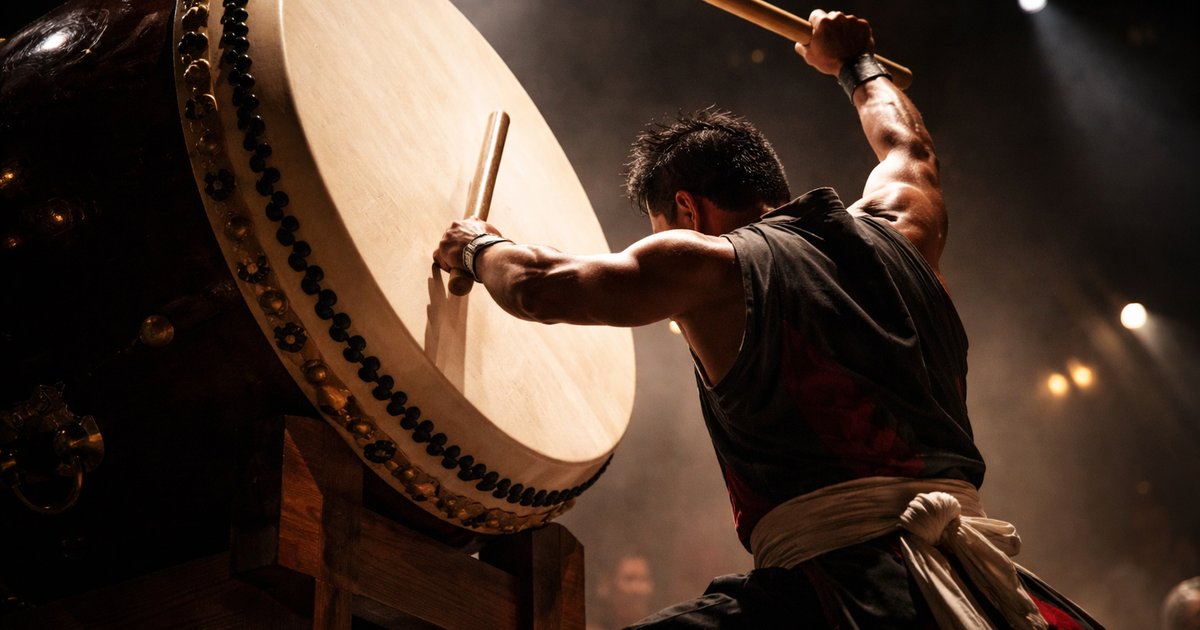
Autumn comes, banners suddenly go up at the local shrine, and around dusk a drum starts sounding. Have you ever walked into an evening like that in Japan?
With a summer festival, you might just think “well, it’s summer.” But what is an autumn festival actually for?
The short answer: an autumn festival is a thank-you. Japanese festivals change their request with the season. Spring asks. Summer wards off. Autumn says thank you for what grew. Here is that year-long rhythm, gently, for a first-time reader.
What this article covers
- Why spring’s Kinensai and autumn’s Niinamesai are a matched pair
- What actually happens at Niinamesai (November 23rd)
- How Japan’s Labor Thanksgiving Day relates to that date
- Kannamesai at Ise, one month earlier, in October
- How a summer festival’s purpose differs from an autumn one’s
- Why drums and floats appear at autumn festivals
Ask in spring, give thanks in autumn
The official site of Ise Jingu puts it in a single line: in spring, Kinensai prays for a good harvest; in autumn, Niinamesai gives thanks for it.
Kinensai falls on February 17th. Held as the spring planting season begins, it prays for gokoku-hojo — an abundant harvest of the grains, rice above all. Its older name, Toshigoi no Matsuri, literally means “the festival of asking for the year.”
Niinamesai falls on November 23rd. The newly harvested rice is offered to the deities, in thanks for what they gave.
The Association of Shinto Shrines (Jinja Honcho) places both in the category of taisai — the heaviest, most important rank of shrine rite. A request in spring, a thank-you in autumn. Between the two, the year comes full circle.
Niinamesai — sharing the new rice
On the day of Niinamesai, at the Imperial Palace, the Emperor offers the new grain to Amaterasu-Omikami and the other deities — and then, Jinja Honcho notes, eats it together with them. Shrines across the country hold their own harvest-thanksgiving rites on the same day.
Not offer-and-withdraw, but offer-and-share. That is worth pausing on. Receiving a portion of the same food as the gods — this shape of “eating together” turns up again and again in Japanese festivals.
November 23rd is a public holiday
You may have noticed something. November 23rd is a national holiday in modern Japan: Labor Thanksgiving Day (Kinro Kansha no Hi).
The Act on National Holidays defines it as a day to “esteem labor, celebrate production, and give thanks to one another as a people.”
The word “Niinamesai” does not appear in the statute itself. But “celebrate production” and “give thanks” still carry a faint texture of a day that was once about thanking the harvest. On the calendar it is a holiday; at the shrine it is Niinamesai. One date, two faces.
First, though: Kannamesai at Ise
About a month before Niinamesai, in October, Ise Jingu holds Kannamesai.
Ise describes it as the most important rite among the roughly 1,500 regular ceremonies held there each year. The year’s new grain is offered to Amaterasu-Omikami first — before the deities of the wider country are thanked in November.
What is offered is the yuki no omike, meaning a pure and excellent meal: offerings gathered from sea, river, mountain and field; new rice from the shrine’s own paddies, steamed unpolished and heaped in earthenware; pounded rice cakes; and sake brewed for the occasion.
The hours are remarkable. In 2026, at the Outer Shrine on October 15th at 10 p.m. and October 16th at 2 a.m.; at the Inner Shrine on October 16th at 10 p.m. and October 17th at 2 a.m. This is a rite of the middle of the night. The offering of imperial tribute (hohei) follows at noon the next day.
A summer festival is asking for something else
So what were summer festivals for? One case is unusually well documented: the Gion Matsuri in Kyoto.
According to Yasaka Shrine’s official site, the festival began in 869 (Jogan 11), when an epidemic spread through the capital and across Japan. By imperial command, 66 halberds were raised — one for each of Japan’s 66 provinces at the time — and a portable shrine was sent from Gion Shrine to Shinsen-en garden, praying for the removal of the calamity. It was long known as the Gion Goryo-e, a rite for pacifying vengeful spirits.
Summer: to drive illness and disaster away. Autumn: to give thanks for what ripened. The same drumbeat, quite different requests behind it.
That said, it does not divide up neatly. At most shrines the weightiest rite is the reisai, held on the day the shrine was founded, or a day with a deep connection to its enshrined deity. The date, in other words, belongs to that shrine — and need not fall in autumn. Treat “the season changes the request” as a broad current, not a rule.
Why drums and floats appear
Banners, portable shrines, lion dances, wheeled floats, and drums. These are the furniture of an autumn festival.
The floats have their own frame: in 2016, UNESCO inscribed Yama, Hoko, Yatai float festivals on its Representative List. According to Japan’s Agency for Cultural Affairs, the listing groups 33 Important Intangible Folk Cultural Properties, described as “festival rites centered on the procession of yama, hoko and yatai floats, carried out by whole communities in the hope of the community’s peace and the warding-off of calamity.”
Here is an honest caveat. Float festivals are not harvest-thanksgiving festivals. The official description is about warding off calamity. The floats themselves are called yorishiro — vessels for the spirit welcomed to the festival — and objects that enliven and console that welcomed deity.
“Enliven.” That single word says a great deal about what a drum is for. A taiko is music, and it is also noise made so the gods will not be bored. See also our article on the types of taiko and how they sound.
Some of the 33 are autumn events. Karatsu Kunchi in Saga Prefecture, the autumn grand festival of Karatsu Shrine, runs every year from November 2nd to 4th, with 14 floats moving through the town.
The smallest autumn festival you can hold this year
Three things you can do without going anywhere.
Read the noticeboard at a nearby shrine. Autumn rite dates are often posted there. Just knowing which day the festival falls on tells you something about that neighborhood’s calendar.
Make the first new-rice meal a little special. Niinamesai is the day of eating new rice together with the gods. Opening this year’s new harvest can be your own small version.
Remember, on November 23rd. On the morning of the holiday, recall just once that it was also a day for thanking the harvest. The color of the day shifts slightly.
In closing
Ask in spring, ward off in summer, give thanks in autumn. Japanese festivals breathe along that year.
So if a drum reaches you from somewhere on an autumn evening, it may be the sound of a report being made: it grew again this year. Walk a little way toward it.
Sources
- Ise Jingu, “Kinensai / Niinamesai — Annual Ceremonies” (in spring Kinensai prays for a good harvest, in autumn Niinamesai gives thanks for the harvest; Kinensai on February 17th, at the start of spring cultivation, praying for abundant grain, also called Toshigoi no Matsuri; Niinamesai on November 23rd, offering the newly harvested grain and giving thanks)
https://www.isejingu.or.jp/ritual/annual/kinen.html - Ise Jingu, “Kannamesai — Annual Ceremonies” (the most important rite among the some 1,500 regular ceremonies of the shrine each year; yuki no omike means a pure and excellent meal, with offerings from sea, river, mountain and field, and new rice from the sacred paddy steamed unpolished and heaped in earthenware)
https://www.isejingu.or.jp/ritual/annual/kanname.html - Ise Jingu, “Ceremony and Event Calendar, October 2026” (Outer Shrine: Yuki no Yu-no-Omike Oct 15, 10 p.m.; Yuki no Asa-no-Omike Oct 16, 2 a.m.; Hohei Oct 16, noon. Inner Shrine: Oct 16, 10 p.m.; Oct 17, 2 a.m.; Hohei Oct 17, noon)
https://www.isejingu.or.jp/ritual/calendar/202610 - Jinja Honcho (Association of Shinto Shrines), “Regular Rites” (reisai is held on the day of the shrine’s founding or a day deeply connected to its deity, and is the most important rite for that shrine, ranked as taisai; Kinensai February 17th, taisai; Niinamesai November 23rd — at the Imperial Palace the Emperor offers the new grain to Amaterasu-Omikami and the other deities and partakes of it together with them, and shrines nationwide hold harvest-thanksgiving rites on the same occasion)
https://www.jinjahoncho.or.jp/omatsuri/koureisai/ - Jinja Honcho, “What Shrine Festivals Are” (shrine rites are divided by weight into taisai, chusai, shosai and shosai; taisai includes reisai, Kinensai and Niinamesai, as well as rites concerning the shrine’s enshrinement)
https://www.jinjahoncho.or.jp/omatsuri/jinjanoomatsuritoha/ - Cabinet Office of Japan, “About National Holidays” (Labor Thanksgiving Day, November 23rd: “esteem labor, celebrate production, and give thanks to one another as a people”)
https://www8.cao.go.jp/chosei/shukujitsu/gaiyou.html - Yasaka Shrine, “Gion Matsuri — Principal Rites and Events” (it began in 869, when epidemic spread through the capital and across Japan; by imperial command 66 halberds were raised after the 66 provinces of the time, and a portable shrine was sent from Gion Shrine to Shinsen-en to pray for the removal of calamity; it was anciently called the Gion Goryo-e)
https://www.yasaka-jinja.or.jp/event/gion/ - Agency for Cultural Affairs, press release “On the UNESCO Intangible Cultural Heritage Inscription of Yama, Hoko, Yatai Float Festivals,” December 1, 2016 (composed of 33 Important Intangible Folk Cultural Properties; described as festival rites centered on the procession of yama, hoko and yatai, carried out by communities together in the hope of the community’s peace and the warding-off of calamity; the floats are vessels (yorishiro) for the spirit welcomed to the festival and objects that enliven and console it; the 33 include the Karatsu Kunchi float festival)
https://www.bunka.go.jp/koho_hodo_oshirase/hodohappyo/pdf/2016120101.pdf - City of Karatsu, Tourism Division, “Karatsu Kunchi, November 2–4” / Karatsu Shrine official, “Autumn Grand Festival (Karatsu Kunchi)” (14 floats)
https://www.city.karatsu.lg.jp/page/4344.html / https://www.karatsu-jinja.org/kunti
The framing “summer festivals ward off calamity, autumn festivals give thanks for the harvest” is a broad tendency readable from the official descriptions of the individual rites cited above (Gion Matsuri, Kinensai, Kannamesai, Niinamesai). It is not a rule that fits every festival. At most shrines the weightiest rite, the reisai, falls on a date particular to that shrine, so season and purpose do not map one to one. Note also that the UNESCO-listed Yama, Hoko, Yatai float festivals are described by the Agency for Cultural Affairs as hoping for community peace and the warding-off of calamity — they are not inscribed as harvest-thanksgiving festivals. This article does not state when Kannamesai or Niinamesai originated, because no reliable primary source could be confirmed. Dates of individual rites can change from year to year; please check with the shrine or local authority before visiting.