September 15, 2026
How Are Taiko Drumsticks Chosen? | Oak, Magnolia, Cypress — Bachi Balance Sound, Drum and Wrist
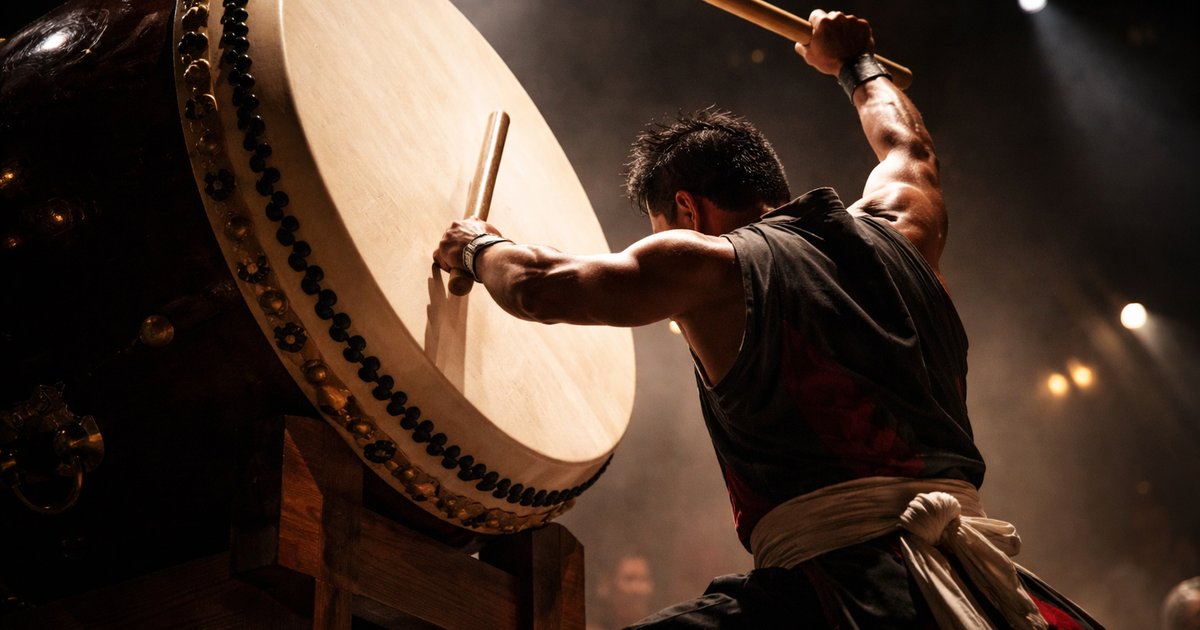
Autumn is festival season in Japan, and somewhere nearby, you can usually hear drums.
When people watch taiko, they tend to look at the drum: its size, its shape, the movement of the player.
But half of the sound is in the player’s hands. It’s the bachi — the drumsticks.
The short version first. A bachi is not simply “a stick for hitting hard.” It is chosen as a compromise between three things: the sound you want, the body of the drum (its shell and skin), and your own wrists.
What you’ll learn
- Why bachi come in several kinds of wood
- Oak, maple, hoonoki and hinoki — the order from hard to soft
- Where the difference is easiest to hear: fuchi-uchi, striking the rim
- Why the hardest stick isn’t always the right one
- Bigger drum, longer bachi
- What to look for next time you watch taiko
Bachi are chosen by wood
Taiko bachi are almost always wooden — and not all the same wood.
Miyamoto Unosuke Shoten, a long-established taiko maker, mainly offers four woods and describes each one on its official site:
- Kashi (Japanese oak) — “the classic hard bachi.” Hard to break, even in weight, the standard for long, heavy playing
- Maple — a little lighter than oak and gentler on the drum’s shell; a material “in between”
- Hoonoki (Japanese magnolia) — a tough, resilient wood that resists splitting; a soft sound
- Hinoki (Japanese cypress) — light and comfortable in the hand; long used in Noh and nagauta music, and regarded as an especially fine bachi wood
The tendency of the sound runs oak → maple → hoonoki ≈ hinoki, from sharp and hard toward soft and gentle.
Harder wood, sharper sound. Softer wood, rounder sound. That’s really all you need to start.
The difference shows most in the rim
Here’s something interesting.
Read Miyamoto Unosuke’s descriptions closely and you’ll notice that oak gives a “dry, sharp fuchi-uchi,” hoonoki “a soft fuchi-uchi,” hinoki “a soft, supple fuchi-uchi.” Each wood is described by the sound of the rim stroke.
Fuchi-uchi means striking not the center of the skin, but the edge of the drum’s wooden body. It’s the dry ka! you hear between the deep dons.
A feature on Ritsumeikan University’s website about the taiko group “Wadaiko Don” mentions the same thing from the player’s side: for pieces where they strike the rim, they switch to harder sticks.
When you strike the skin, the sound is shaped by the skin and shell (as we covered in our article on the types of taiko). When you strike the rim, wood meets wood. So it makes sense that the character of the stick comes through most clearly there.
The hardest stick isn’t always right
“If hard wood sounds more powerful, why doesn’t everyone use oak?”
A fair question. But that isn’t how it works.
Instrument maker Suzuki Musical Instrument notes that a bachi that is too hard or too thick for the drum can damage the shell, the skin, and the player’s wrists.
The same page describes hoonoki bachi as putting “less strain on the player and the drum” with a clear sound, and recommends them for young children.
So a bachi is a tool for making your sound — and also a tool for protecting the drum and your own body.
You choose it somewhere between wanting a strong sound and wanting the drum to keep sounding for years.
Bigger drum, longer bachi
Length has its own guidelines. Miyamoto Unosuke’s guide gives roughly these:
- Festival ensembles and shime-daiko: 32–36 cm
- Chodo-daiko up to a 1 shaku 6 sun head (about 48 cm): up to 42 cm
- Chodo-daiko of 1 shaku 8 sun (about 55 cm) and up: 44 cm or more
- O-daiko: 48–55 cm
For thickness: thinner for light, quick playing; thicker for powerful strokes.
And bachi are sold as a pair — two sticks meant to make the same sound from the left hand and the right.
Next time you watch taiko
At a festival or a performance, take a moment to look at the player’s hands.
- The color of the sticks. Pale, or a little darker? It may be a different wood
- The length. The bigger the drum, the longer the sticks should be
- The ka! The sound of a rim stroke is where the wood of the stick speaks most honestly
That pair was chosen with the player’s sound, the drum in front of them, and their own wrists in mind.
A taiko never sounds on its own. It sounds together with the two pieces of wood in someone’s hands.
Sources
- Miyamoto Unosuke Shoten (official), “How to choose wadaiko bachi — types, materials (oak, hinoki, hoonoki, maple), length” (oak: classic hard bachi, hard to break, even weight, dry sharp rim stroke / maple: slightly lighter than oak, gentler on the shell / hoonoki: resilient, resists splitting, soft rim stroke / hinoki: light, fits the hand, soft and supple rim stroke, long used in Noh and nagauta, regarded as especially fine / tendency oak → maple → hoonoki ≈ hinoki / length guidelines / thin for light playing, thick for power / sold as pairs)
https://www.miyamoto-unosuke.co.jp/pages/wadaiko-bachi-erabikata - Miyamoto Unosuke Shoten (official), “Bachi” (the best bachi depends on playing style and the sound required)
https://www.miyamoto-unosuke.co.jp/collections/fordrum - Suzuki Musical Instrument Mfg., “Wadaiko and bachi” (oak: very hard, thick powerful sound / hoonoki: soft, less strain on player and drum, clear sound, recommended for young children / beech: slightly softer than oak, durable / sticks too hard or too thick can damage the shell, skin and wrists)
https://www.suzuki-music.co.jp/information/11681/ - Ritsumeikan University, “Wadaiko Don” (switching to harder sticks for pieces that strike the rim)
https://www.ritsumei.ac.jp/features/culture/wadaiko/
The idea that material differences are easiest to hear in rim strokes (because wood meets wood) is the author’s interpretation of how the maker describes its sticks, not the result of acoustic testing. Lengths and thicknesses are Miyamoto Unosuke’s guidelines and vary by maker and group. Conversions use 1 shaku ≈ 30.3 cm and are approximate.