October 25, 2026
When Is the Chichibu Night Festival 2026? | December 2–3 — Lantern Floats, Taiko Drums and a Mountain God’s Love Story
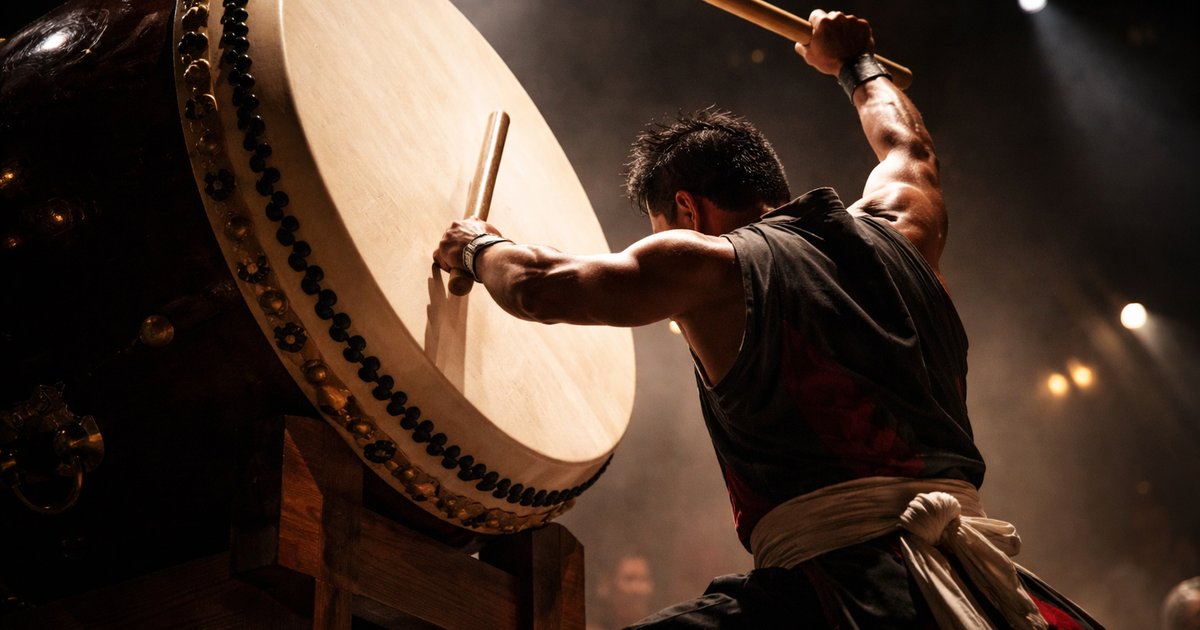
The Chichibu Night Festival (Chichibu Yomatsuri) is held every year on December 2nd and 3rd. In 2026, that’s Wednesday, December 2nd and Thursday, December 3rd.
It’s the festival of Chichibu Shrine in Chichibu, Saitama Prefecture: on a winter night, huge lantern-lit floats roll through town to the sound of drums. Together with Kyoto’s Gion Matsuri and the Takayama Festival in Hida, it’s counted among Japan’s three great float festivals.
If you’ve heard the name but aren’t sure what actually happens, here is a gentle introduction.
What you’ll find here
- When is the Chichibu Night Festival?
- What happens — six floats, two kinds
- The drums of Chichibu yatai-bayashi
- A one-night love story between a goddess and a mountain
- A festival that grew with the silk market
- Part of UNESCO’s Intangible Cultural Heritage
- A quiet way to enjoy it for the first time
When is the Chichibu Night Festival?
The festival is held on fixed dates: December 2nd and 3rd, every year. In 2026, the 2nd falls on a Wednesday and the 3rd on a Thursday — weekdays, so it helps to plan your trip early.
The 2nd is called yoimiya, the eve, and the 3rd is the taisai, the main festival day. The floats are at their most spectacular on the night of the 3rd.
What happens — six floats, two kinds
The Chichibu Night Festival is the annual grand festival (reitaisai) of Chichibu Shrine. The stars are six floats pulled out by the town’s neighborhoods: two kasaboko and four yatai.
- Kasaboko — the halberd-like pole set into the top is regarded as a yorishiro, something a deity can dwell in
- Yatai — these carry the festival musicians. A yatai can open out sideways into a stage, and kabuki is sometimes performed on it
Japan’s Agency for Cultural Affairs describes the procession of the floats on the night of the 3rd as magnificent and splendid, and the floats themselves are designated Important Tangible Folk Cultural Properties. Take a moment to look at the carvings of dragons and lion-dogs, and the painted curtains hanging at the back.
A well-known highlight is when the floats are hauled up Dangozaka, a steep slope just before the otabisho (the place where the deity rests during the festival). Fireworks light up the sky as well.
The drums of Chichibu yatai-bayashi
The sound of this festival is Chichibu yatai-bayashi, the float music. Saitama Prefecture’s tourism page describes the floats moving through town amid the echoing roll of drums.
Whether the floats are standing still or starting to move, the drums keep sounding through the streets. Standing in the cold winter air and feeling the drums in your chest may be the heart of the whole experience. (Curious about the drums themselves? See our guide to taiko types and sounds.)
A one-night love story between a goddess and a mountain
The festival comes with a rather romantic legend. According to the Japan Tourism Agency’s multilingual guide:
Myōken, one of the deities enshrined at Chichibu Shrine (thought of as a goddess), and the dragon god of Mount Bukō, the mountain that rises over the town, are in love. But the dragon god already has a wife — the deity of Suwa Shrine. So every year on December 2nd, Myōken is said to visit Suwa Shrine and ask permission for a single night together.
By old custom, when a float passes this small Suwa Shrine, the music stops, and onlookers lower their voices so as not to disturb the conversation.
It’s a local legend, of course. But knowing it, even the brief silence between the drums becomes part of the story.
A festival that grew with the silk market
No one knows exactly when the festival began. Its present form largely took shape in the Edo period, when it was known as the Myōken Taisai or Shimotsuki Taisai and held in early November.
Chichibu was a silk-weaving region. Merchants from the surrounding area gathered for a great silk market, the kinu no takamachi, held near the shrine — and as the town prospered, the festival is said to have grown ever more lavish. Even today, a silk market called the Chichibu Yomatsuri Kinuichi, with displays and sales of Chichibu meisen silk, is held on both festival days.
Part of UNESCO’s Intangible Cultural Heritage
The festival’s events are designated a national Important Intangible Folk Cultural Property under the name “Float Events and Kagura of the Chichibu Festival.” In 2016, they were inscribed on UNESCO’s Intangible Cultural Heritage list as one of the 33 festivals grouped together as “Yama, Hoko, Yatai, float festivals in Japan.”
A quiet way to enjoy it for the first time
The festival draws large crowds. If it’s your first time, here are a few gentle ways in:
- Start with the eve on the 2nd — calmer than the main day, and a good way to soak up the town’s mood
- Dress warmly — it’s a December night outdoors. Gloves and hand warmers let you focus on the drums
- Or visit on another day — the Chichibu Festival Museum near the shrine lets you feel the festival’s atmosphere all year round
Traffic restrictions, viewing seats and fireworks times are set each year, so it’s worth checking Chichibu’s tourism information before you go.
In closing
The Chichibu Night Festival is where winter drums and a mountain god’s love story meet on the same night.
Even if you can’t be there, on the night of December 2nd you might picture the drums falling silent for a moment in Chichibu — and that, too, is a way of touching Japanese festival culture, gently. For more autumn festivals, see our guide to autumn harvest festivals.
References
- Agency for Cultural Affairs, Japan — Cultural Heritage Online: “Chichibu-matsuri no yatai gyōji to kagura” (in Japanese)
- Japan Tourism Agency — Multilingual Commentary Database: “Chichibu Yomatsuri”
- Saitama Prefecture — “Enjoy Winter in Saitama” (Chichibu Yomatsuri / Chichibu Yomatsuri Kinuichi) (in Japanese)