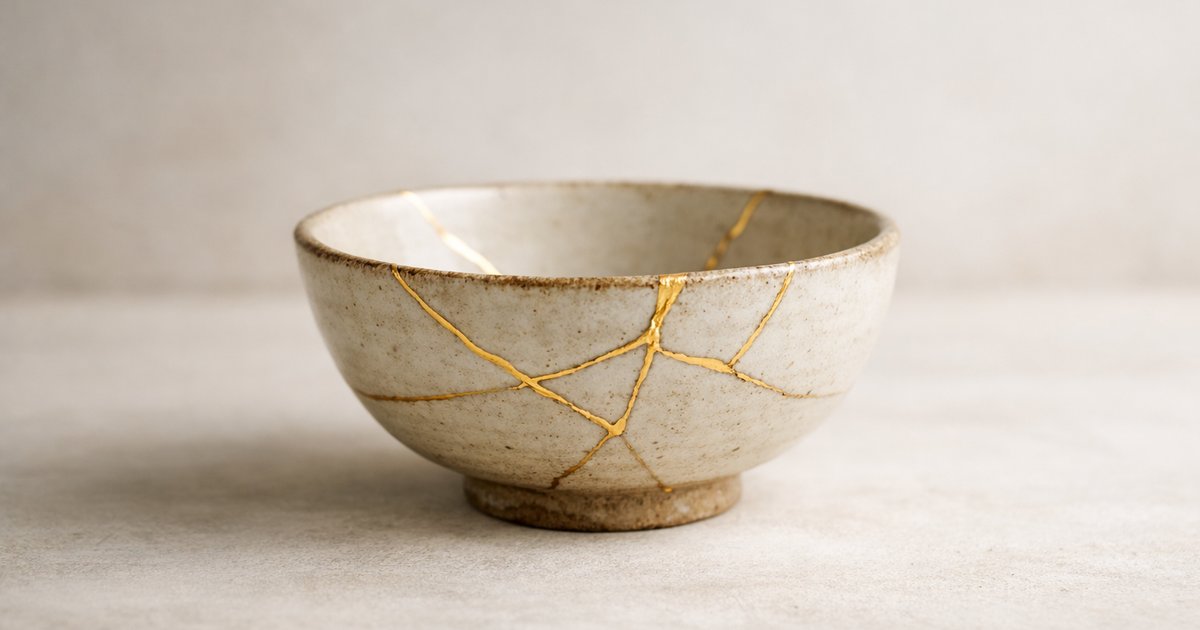
What Is Tomonaoshi? | The Invisible Repair on the Other Side of Kintsugi — Two Paths from the Same Lacquer
If kintsugi shows off a repair in gold, tomonaoshi makes it disappear, matching …
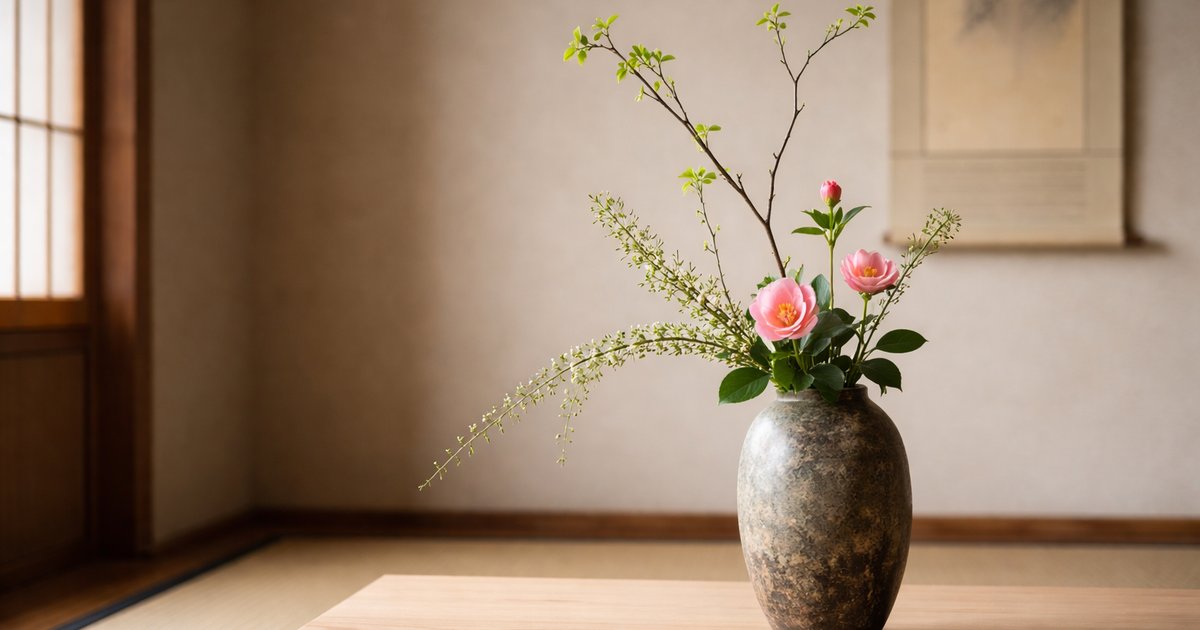
What Is Nageire? | The Ikebana Style Closest to Home — “Thrown-In” Flowers That Are Never Really Thrown
Slip a single stem into a slender bottle, and you’re already close to nage…

What Does Ikigai Really Mean? | The Four-Circle Diagram Was Born in 2014 — In Japan, Ikigai Can Be Small, and There Can Be Many
The famous four-circle “ikigai” diagram actually began in a 2014 blo…
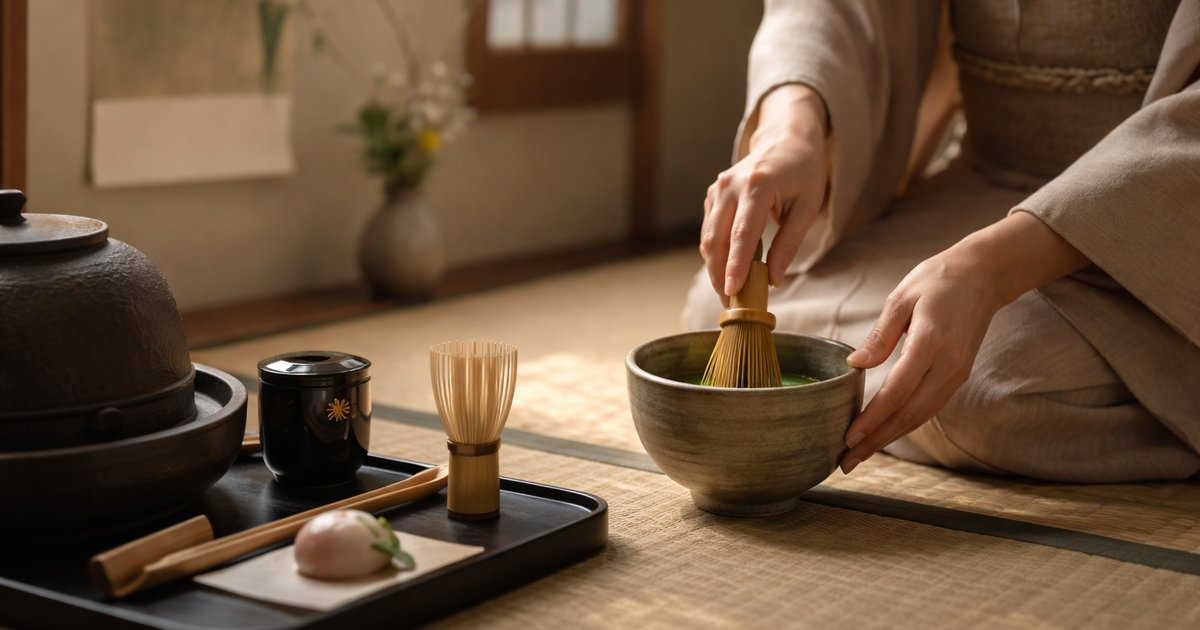
What Is Tabi Day? | October 8 — Why Tea-Room Tabi Are White and Why You Change Into Them at the Door, from Festival Jika-tabi to Tires
October 8 is Tabi Day in Japan. Tabi are the country’s split-toe socks. In…
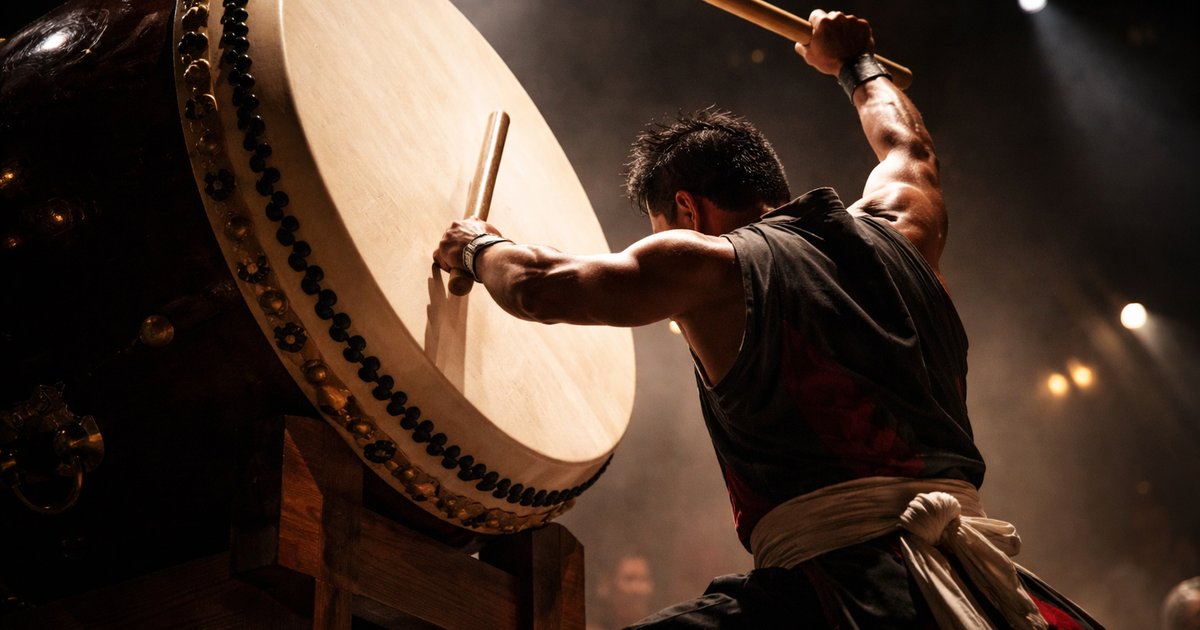
What Is Nagasaki Kunchi? | Each Neighborhood Dances Once Every Seven Years — 2026’s Six Dancing Towns and the Drums of Shagiri and Kokkodesho
October 7–9 is Nagasaki Kunchi, the autumn festival of Suwa Shrine. Its performa…
How to Look at Rikka: Start with the Shin | A Beginner’s Guide to Ikebana’s Oldest Style
A rikka arrangement, packed with branches and flowers, can be hard to read. Star…
Gintsugi: Silver Repairs That Slowly Turn Dark | Kintsugi Finishes Beyond Gold — Silver, Platinum, Tin and Lacquer
The line in a kintsugi repair doesn’t have to be gold. It can be silver (g…
What Was the Kitano Ōchanoyu? | “No Tea? Bring Roasted Grain Powder” — Hideyoshi’s Grand Tea Gathering Behind Japanese Tea Day (October 1)
October 1 is Japanese Tea Day. It goes back 439 years to the Kitano Ōchanoyu, th…
What Does Mottainai Mean? | It’s Not Really About Things — Three Meanings, and How MOTTAINAI Became a Global Word
Rice left on the plate, a shirt that still fits headed for the bin — and out com…
October Is Nagori, the Month of Lingering in Tea | Nakaoki, the Worn-Out Brazier and Mended Bowls — Savoring Things That Are Almost Over
New Year for tea people comes in November, so October is the end of the tea year…
The Other Gonin-bayashi | Flute, Gong, Two Laced Drums and a Big Drum — Tokyo’s Festival Music Is Five People, One Sound
You may know the Gonin-bayashi as the five little musician dolls on a Girls̵…
Ikebana Vessels for Beginners | Placed, Hung or Suspended — How the Vase Shapes the Flowers
In ikebana, it’s the vessel that quietly decides how a flower stands. A ge…
Bakōhan: The Tea Bowl Called “the Origin of Kintsugi” Was Mended With Iron Staples, Not Gold
You may have heard that kintsugi began when the shogun Ashikaga Yoshimasa sent a…
What Is Mono no Aware? | It Does Not Mean “Sad” — A Word Born From a Sigh, and a Thousand-Year Argument About Autumn
The sun sets earlier than yesterday and something in you moves, though nothing h…
What Is a Kakemono? | In a Tea Room, the Most Important Object Is a Line of Writing — Bokuseki, a National Treasure Letter, and the Moment It Comes Down
The first thing you look at in a tea room isn’t the bowl. It’s the h…
What Are Japan’s Autumn Festivals For? | Summer Wards Off, Autumn Gives Thanks — Niinamesai and Kannamesai
Banners go up at the local shrine and a drum starts sounding at dusk. What is an…
What Is Ma? | The Japanese Word for the Gap — in Space, in Time, and Between People
You may know ma as “negative space,” but that is only a third of it.…
Why Don’t Ikebana Flowers Fall Over? | Kenzan, Straw and Turtle-Shaped Holders — The Hidden Tools Beneath the Water
Flowers don’t stand up on their own. Inside every ikebana vessel is a hidd…
How Are Taiko Drumsticks Chosen? | Oak, Magnolia, Cypress — Bachi Balance Sound, Drum and Wrist
Half of a taiko’s sound is in the player’s hands. Bachi aren’t…
What Is a Chashaku? | Why a Bamboo Tea Scoop Gets a Name — the Node, the “Mei”, and Rikyū’s “Tears”
The chashaku, the slender bamboo scoop for matcha, is just one strip of carved b…
What Is Zen? | “Zazen Is Not Learning Meditation” — Why There Is No Such Thing as Sitting Well
Abroad, “ZEN” became shorthand for calm and minimal. In Japanese Zen…
What Is a Chasen? | One Piece of Bamboo, 160 Prongs — and Why “Eighty-Prong” Counts Only Half of Them
The bamboo whisk used for matcha looks like thin strips bundled and tied at the …
What’s the Difference Between Taiko Drums? | Chodo, Shime and Okedo — the Sound Is Decided by the Body and the Fastening
At a Japanese festival you are hearing several different drums at once. And the …
What’s the Difference Between Ikebana Schools? | Ikenobo, Ohara and Sogetsu, Explained Gently for Beginners
Look into taking up ikebana and you stall almost at once: there are too many sch…
How Kintsugi Actually Works | The Gold Is Not the Glue — and Yobitsugi, Where the Missing Piece Comes from Another Bowl
You have probably met kintsugi as a metaphor first. This is what actually happen…
How Do You Look at a Japanese Garden? | Dry Gardens, Borrowed Scenery and the Path to the Tea Room, Explained Gently for Beginners
White gravel raked into lines, a handful of stones, not a single tree. It is cle…
What Is a Japanese Tea Room? | Why the Most Famous One Is Only Two Mats — Explained Gently for Beginners
Say “tea room” and most people picture a modest tatami room with an …
What Is Matcha, Exactly? | From the Shaded Field to the Stone Mill, Explained Gently for Beginners
Matcha is in the lattes, the ice cream, the chocolate — and yet one question sti…
What Do You Wear to a Japanese Tea Ceremony? | Why Ordinary Clothes Are Fine, and Why You Bring White Socks
Invited to a tea ceremony, the first worry is always the same: what on earth do …
Your First Japanese Tea Ceremony | From Entering the Room to Returning the Bowl, Explained Gently for Beginners
Invited to a tea ceremony but unsure what to bring, where to sit, or how many ti…
What Is Urushi? | The Japanese Lacquer That Needs Damp Air to Dry, Explained Gently for Beginners
In a kintsugi photograph you see the gold, but what actually holds the bowl toge…
What Is Chabana? | The Single Flower in the Tea Room, Explained Gently for Beginners
The flower in a tea room alcove is usually one stem, sometimes two — never a bou…
What Is Jizō-bon? | The Two Days When a Street-Corner Stone Figure and the Neighbourhood Children Take Centre Stage
After Obon ends, western Japan keeps one more Obon in reserve. Around August 23r…
Sweets at a Japanese Tea Gathering | How a Confection Carries the Season in Its Name
Once Obon is over, the glass cases in Japanese confectionery shops quietly chang…
Why Japanese Tea Bowls Change Shape with the Season | The Summer Hira-jawan and Winter Tsutsu-jawan, Explained Gently for Beginners
In summer the tea bowl is shallow and wide; in winter it is narrow and deep. Sam…
The Seven Flowers of Autumn | Japan’s Seven Herbs You Don’t Eat, Explained Gently for Beginners
Japan’s spring seven go into rice porridge. The autumn seven have one job:…
What Is Okuribi? | Japan’s Obon Sending-Off Fire, Explained Gently for Beginners
On the last evening of Obon, a fire is lit to see the returning ancestors on the…
What Are Bonbana? | The Meaning of Misohagi and Hōzuki, Japan’s Obon Flowers, Explained Simply for Beginners
The flowers offered during Obon to welcome the ancestors home have their own nam…
What Is Wabi-Sabi? | Japan’s Aesthetic Born from Words for “Miserable” and “Lonely,” Explained Simply for Beginners
Wabi-sabi is the heart that finds beauty in the imperfect and the aging. Surpris…
What Is the Japanese Tea Ceremony? | A Gentle Beginner’s Guide, Starting with Keeping You Cool
The tea ceremony can look like a closed door of kneeling and rules. Inside, it i…
What Is Ichi-go Ichi-e? | The Tea-Room Phrase for a “Once-in-a-Lifetime Meeting,” Explained Simply for Beginners
Ichi-go ichi-e expresses the heart of treasuring every encounter as once in a li…

Tea Ceremony Entry and Seating Etiquette for Beginners | Basic Manners and Flow in the Tea Room
Entering the tea room and taking your seat are often the most nerve-racking mome…

Tea Ceremony Etiquette for Beginners: A Complete Guide to Proper Manners, Dress Code, and What to Bring
If you are new to tea ceremony etiquette, your biggest concern is probably wheth…

What is Ikebana? The Japanese Art of Flower Arrangement and Aesthetic Philosophy
What does it truly mean to arrange flowers? Ikebana is not simply about decorati…

What is the Japanese Tea Ceremony? A Cultural Experience of Beauty and Mindfulness
Have you ever thought about how much meaning can be contained in a single cup of…

What is Taiko? Why This Traditional Japanese Drum Captivates the World
Have you ever felt sound not just as something you hear, but as something that r…

Different Types of Kintsugi|Traditional, Simplified, and Modern Approaches Explained
When people hear the word “Kintsugi,” they often imagine a single, fixed method.…

What is Kintsugi? The Japanese Art of Embracing Brokenness
When a cherished piece of pottery becomes chipped or broken, many people feel th…

What is Kintsugi? A Japanese Technique That Turns Broken Pottery into Beauty
Kintsugi is a traditional Japanese technique of repairing broken or chipped pott…

What is Kintsugi? The Japanese Art of Turning Broken Pottery into Beauty
Kintsugi is a traditional Japanese technique of repairing broken or chipped pott…