October 7, 2026
What Is Nagasaki Kunchi? | Each Neighborhood Dances Once Every Seven Years — 2026’s Six Dancing Towns and the Drums of Shagiri and Kokkodesho
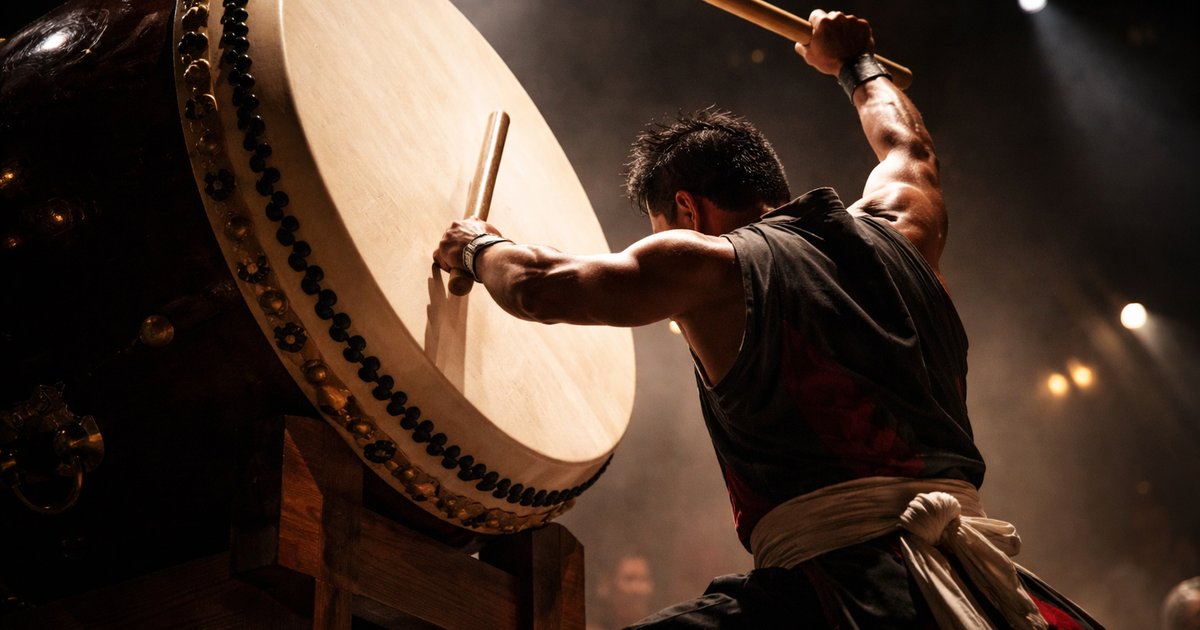
From today, October 7, through the 9th, the city of Nagasaki gives itself over to kunchi.
Nagasaki Kunchi is the great autumn festival of Suwa Shrine, the guardian shrine of Nagasaki. It is known for its lively performances: a dragon that seems to fly through the air in the ja-odori (dragon dance), floats shaped like great ships, and a drum float tossed high into the sky.
This article has just one thing to say: at Nagasaki Kunchi, you can see a given neighborhood’s performance only once every seven years. It is not a festival where the same performers appear every year. The dances you see this year will not come back for seven years. Knowing that, the same three days start to look a little different.
What you’ll learn
- When, where and what kind of festival Nagasaki Kunchi is
- How the performing neighborhoods take turns, once every seven years
- The six neighborhoods performing in 2026, and what they bring
- The drum sounds behind kunchi: shagiri and kokkodesho
- The calls that the audience shouts
What is Nagasaki Kunchi? — Suwa Shrine’s autumn festival
According to the Nagasaki Traditional Performing Arts Promotion Association, which runs the festival, Nagasaki Kunchi is the autumn grand festival of Suwa Shrine, held by the whole city for three days from October 7 every year. The dances offered to the gods are called hōnō-odori (dedicatory dances), and they are designated an Important Intangible Folk Cultural Property of Japan (since 1979).
The festival dates back to 1634. Two courtesans of the time, Takao and Otowa, are said to have performed a Noh-chant dance called Komai before the shrine, and this is told as the beginning. The City of Nagasaki’s explanation adds that in the same year, Aoki Kensei, the first chief priest of Suwa Shrine, began the procession of the portable shrines (mikoshi) down to a temporary shrine and back, with the help of the Nagasaki magistrate. According to the Association, 1634 was also the year work began on the artificial island of Dejima and the Meganebashi stone bridge was built.
As for the name kunchi, the common explanation is that it comes from ku-nichi, “the ninth day,” of the Chrysanthemum Festival held on the 9th day of the 9th month of the old calendar. We introduce that festival in our article on Chōyō, the Chrysanthemum Festival.
58 neighborhoods, 7 groups — a turn every seven years
The performances at Nagasaki Kunchi are not put on by a professional troupe each year. They are put on by neighborhoods, taking turns.
The neighborhood whose turn it is to perform is called an odori-chō (“dancing town”). According to the Association, there are 58 of them in Nagasaki, divided into seven groups. The rotation takes seven years, so each neighborhood performs once every seven years.
The Association’s glossary puts it this way: to see every performance of Nagasaki Kunchi, you would have to keep coming to the performance grounds for seven years.
For the neighborhood itself, it is a once-in-seven-years responsibility. Four years after its turn as a dancing town, it takes on another role, nenban-chō, representing the shrine’s parishioners in Suwa Shrine’s ceremonies throughout the year.
The six neighborhoods performing in 2026
Here are the dancing towns and performances for 2026, as announced by the Association. Each one enters led by its kasaboko, a decorated parasol-shaped standard that serves as the neighborhood’s emblem.
- Imakago-machi — hon-odori (Japanese classical dance)
- Aburaya-machi — kawafune (river boat)
- Motofuna-machi — tōsen-matsuri (Chinese ship festival)
- Uwa-machi — Uwa-machi kokkodesho
- Kajiya-machi — shichifukujin takarabune (treasure ship of the Seven Lucky Gods)
- Chikugo-machi — ja-odori (dragon dance)
Interestingly, the Association’s website shows these six neighborhoods with photos from their 2016 appearance. The rotation is meant to come around every seven years, but according to the Nagasaki City Museum of History and Folklore, the 2023 festival was held “for the first time in four years” after the COVID-19 pandemic. Because of that pause, this year appears to be these six neighborhoods’ first turn in ten years.
The sound of kunchi — shagiri and kokkodesho
If you want to hear Nagasaki Kunchi, listen for the drums.
Shagiri — a slightly wistful melody of flute and drum
The music that plays when a kasaboko spins or a neighborhood moves along the street is called shagiri. According to the Association, kunchi’s shagiri uses only a flute and a shime-daiko (a small, rope-tightened drum), and has a distinctive, somewhat melancholy melody that changes with the scene.
The Association’s glossary even says that when Nagasaki people hear it, they get so excited and restless they can’t focus on work. You can read about how the shime-daiko is built in our article on the types and sounds of Japanese drums.
Kokkodesho — throwing a drum into the sky
The boldest drum at kunchi is the taiko-yama (“drum float”), better known as kokkodesho. According to the City of Nagasaki’s cultural property description (Kabashima-machi Kokkodesho), four drummers sit inside a float topped with five huge stacked cushions, and 36 young men carry it. To powerful shouts and the beat of the drum, they sway it side to side, run with it, then toss it high in the air, clap their hands, and catch it with one hand.
The tradition is said to have come from the danjiri floats of Sakai (in today’s Osaka Prefecture), because ship captains from Sakai, who carried Nagasaki’s trade goods to the Kyoto–Osaka region in the Edo period, used to lodge in the neighborhood. It was first offered at Nagasaki Kunchi in 1799. This year, Uwa-machi will perform its kokkodesho.
Three days of festival, half a year of preparation
According to the City of Nagasaki, kunchi is not just three days in October.
- June 1, Koya-iri — prayers for safety, and rehearsals begin. The name comes from the old custom of building a hut (koya) to concentrate on practice
- October 3, Niwa-mise — homes in the dancing towns open their doors and windows to show passers-by the costumes, props, kasaboko and congratulatory gifts
- October 4, Niizoroi — a full-costume performance around the neighborhood: a dress rehearsal
- October 7, 8 and 9 — dedicatory dances at Suwa Shrine, the temporary shrine (otabisho), Chūō Park, Yasaka Shrine and more
During the festival, the dancing towns also make niwasaki-mawari rounds, performing short dances and music at the doorsteps of shops, homes and offices in central Nagasaki to share their good fortune. The city describes it as “the whole town is the venue.”
Half a year of preparation, for a turn that comes once every seven years. The festival is much longer than its three days.
The audience joins in with their voices — “Motte kōi!”
Nagasaki Kunchi has its own calls for the audience. Here are four, from the Association’s and the city’s explanations.
- Motte kōi! — an encore call to bring back a float that has left the grounds. People chant “Motte kōi, motte koi!” (“Bring it back!”)
- Shomō yare! — the encore call for a classical dance: “We request it, so do it once more!”
- Futō maware! — for a spinning kasaboko. In Nagasaki, “big” is said as “thick” (futoi), so it means “Spin big!”
- Yoiyā! — when the river-boat fisherman’s net lands perfectly, or a kasaboko spins beautifully: “Yes! Nailed it!”
It would be a shame to let a performance that comes only once every seven years leave after a single showing. Thinking of it that way, you can almost feel what’s behind that cry of “One more time!”
In closing
Nagasaki Kunchi is held every year, and yet each neighborhood’s performance can be seen only once every seven years.
Someone who sees this year’s dragon dance would, if the rotation runs as planned, meet that same neighborhood’s dragon again in seven years. Perhaps that is why the town spends half a year preparing, and why the crowd calls “Motte kōi!”
Even if you can’t go to Nagasaki, if you ever hear the flute and drum of shagiri somewhere, spare a gentle thought for the neighborhoods waiting seven years for their turn. For more on autumn festivals in general, see our article on aki-matsuri.
Sources
- Nagasaki Traditional Performing Arts Promotion Association, “About Nagasaki Kunchi” (Japanese) — autumn grand festival of Suwa Shrine, three days from October 7; said to have begun in 1634 when the courtesans Takao and Otowa offered the Noh-chant Komai; Dejima construction and Meganebashi in the same year; 58 dancing towns in 7 groups, a turn every seven years; the ku-nichi etymology described as the common view
https://nagasaki-kunchi.com/about/ - Nagasaki Traditional Performing Arts Promotion Association, “Mini Glossary” (Japanese) — Important Intangible Folk Cultural Property (designated February 3, 1979); seven-year rotation, “you would have to keep coming for seven years to see every performance”; nenban-chō four years after a dancing-town turn; kasaboko; taiko-yama (kokkodesho); niwasaki-mawari; shagiri with flute and shime-daiko; the calls Motte kōi, Shomō yare, Futō maware, Yoiyā
https://nagasaki-kunchi.com/jiten/ - Nagasaki Traditional Performing Arts Promotion Association, “Dancing Towns and Performances” (Japanese) — confirmed 2026 lineup: Imakago, Aburaya, Motofuna, Uwa, Kajiya, Chikugo; photos from the 2016 appearance
https://nagasaki-kunchi.com/dashimono/ - City of Nagasaki, “What kind of festival is Nagasaki Kunchi?” (Japanese) — in 1634, first chief priest Aoki Kensei began the mikoshi processions with the magistrate’s help; Takao and Otowa’s dance is said to be the origin of the dedicatory dances
https://www.city.nagasaki.lg.jp/site/kodomo/66343.html - City of Nagasaki, “When and where can you see it?” (Japanese) — Koya-iri June 1, Niwa-mise October 3, Niizoroi October 4, schedule for October 7–9, niwasaki-mawari, “the whole town is the venue”
https://www.city.nagasaki.lg.jp/site/kodomo/66349.html - City of Nagasaki, “How to enjoy Nagasaki Kunchi” (Japanese) — four types of performances, kasaboko, shagiri, audience calls
https://www.city.nagasaki.lg.jp/site/kodomo/66359.html - City of Nagasaki, Cultural Properties, “Kabashima-machi Kokkodesho” (Japanese) — four drummers, five cushions, 36 carriers, tossed and caught with one hand; said to derive from Sakai danjiri via Sakai ship captains’ lodgings; first offered in 1799
https://www.city.nagasaki.lg.jp/shimin/190001/192001/p000781.html - Nagasaki City Museum of History and Folklore, newsletter No. 150, August 1, 2023 (Japanese) — Nagasaki Kunchi to be held for the first time in four years
https://www.city.nagasaki.lg.jp/uploaded/attachment/5569.pdf
Both the Association and the City of Nagasaki describe the Takao and Otowa offering as what is “said to be” the beginning, and this article treats it as tradition. The “ninth day” origin of the word kunchi is likewise described by the Association as the common view, not settled fact. The Sakai origin of kokkodesho comes from the city’s description of Kabashima-machi Kokkodesho; we could not find sources on the history of Uwa-machi’s kokkodesho specifically, so we have not written about it. The “first time in ten years” point is inferred from the Association’s 2016 photos and the 2023 festival being the first in four years; it is not taken from an official announcement by the neighborhoods.