November 4, 2026
When Is the On Matsuri 2026? | December 15–18 — Nara’s Kasuga Wakamiya Festival, Held Since 1136
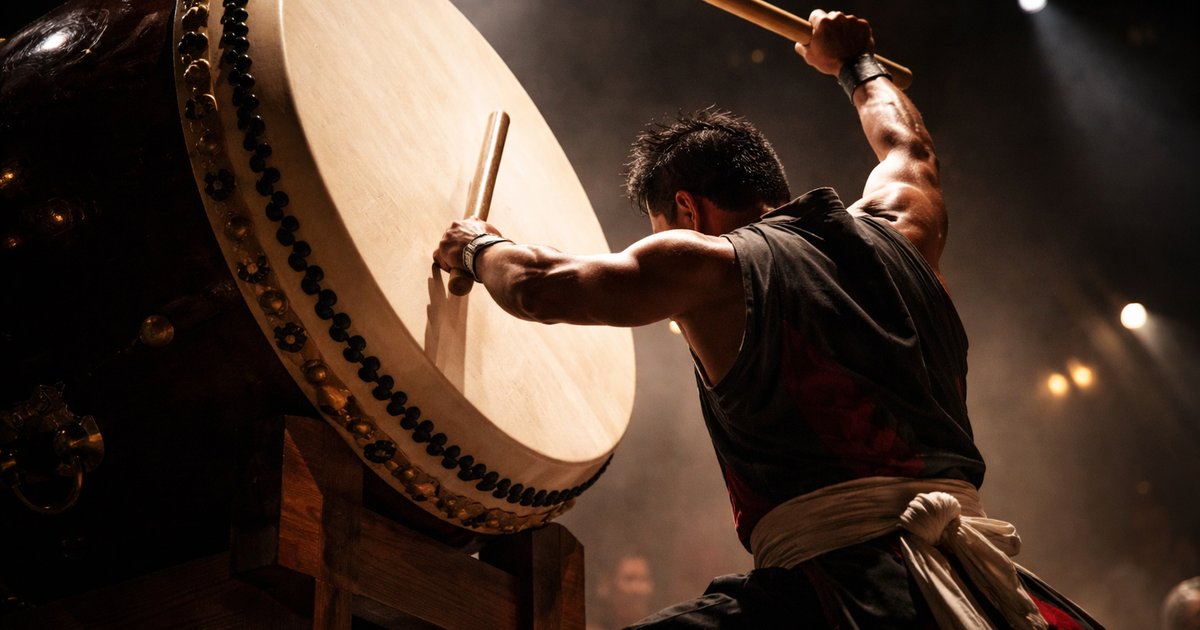
The Kasuga Wakamiya On Matsuri runs from December 15th to 18th every year. In 2026, that is Tuesday, December 15th to Friday, December 18th, with the main procession on Thursday, December 17th.
This is the festival of Wakamiya, a shrine within the grounds of Kasuga Taisha in Nara. It began in 1136, and 2026 will be its 891st year. Local guides describe it as having been held every year without a break.
At the center of the festival is a single day, when the deity of Wakamiya leaves the main hall. Here is a gentle introduction to that day, for anyone hearing about it for the first time.
What you’ll find here
- When the On Matsuri is, and what kind of festival it is
- How it began, during famine and disease
- The four days at a glance
- Owatari-shiki, the midday procession
- The performances that continue into the night
- If you’d like to go
A festival born from famine and disease
According to Kasuga Taisha’s official site, the Chōshō era (1132–1135) brought heavy rain and floods, then famine and spreading disease. To save people, retired emperors and the regent Fujiwara no Tadamichi were among those who asked for the protection of the Wakamiya deity.
A new shrine hall was built on the present site in 1135. The next year, in 1136, the deity was welcomed out to the Kasuga fields for a festival, and this is considered the start of the On Matsuri.
It was designated an Important Intangible Folk Cultural Property of Japan in 1979.
The four days at a glance
These highlights come from the schedule on the festival’s official site. Treat the times as a guide, since they are listed as the usual annual schedule.
- December 15: Ōshukusho-mōde procession (1pm), miyutate purification with hot water, Ōshukusho-sai ritual (5pm)
- December 16: the dengaku troupe’s eve visit (3pm), Yoimiya-sai eve ritual (4pm)
- December 17: Senkō no Gi (midnight, at the very start of the day), Owatari-shiki procession (noon), Otabisho-sai (2:30pm), Kankō no Gi (around 11pm)
- December 18: sumo offering (1pm), Goen-no-Nō, a closing noh performance (2pm)
A day that begins in darkness
At midnight as December 17th begins, the deity is carried from the main hall to the otabisho, the place where a deity stays during a festival. This ritual, Senkō no Gi, takes place in darkness.
The otabisho stands inside the first torii gate, a temporary hall built of pine. Around 11pm on that same day, before the date changes, the deity returns to the main hall.
The festival lasts four days, but the deity spends only this one day at the otabisho. The midday procession and the night’s performances all exist for this day.
Owatari-shiki: a procession of past eras
The procession sets out at noon from in front of the Nara Prefectural Office, then passes Kintetsu Nara Station and Sanjo-dori on its way to the otabisho. Participants wear costumes ranging from the Heian period to the Edo period.
- Hi no tsukai: the central role, representing the rank of the regent
- Miko (shrine maidens): on horseback, with white veils and decorated parasols held over them
- Dengaku: a troupe carrying flutes and drums, with five-colored ritual wands
- Daimyo procession: carrying on the samurai tradition that joined in the Edo period, it brings up the rear
Just inside the first torii, on the south side, stands the Yōgō no Matsu, a pine tree. There, the Matsu no Shita-shiki ceremony takes place, with performances in front of the pine.
Performances into the night
At the otabisho, a raised turf stage about nine meters square is set up, with a huge dadaiko drum on either side. Otabisho-sai begins at 2:30pm, and from about 3:30pm until about 10:30pm, performances are offered before the deity.
- Azuma-asobi: danced by children
- Seino-o: dancers in white, their faces covered with cloth
- Dengaku: including acrobatic pieces such as sword juggling and stilts
- Bugaku: court dance, with pieces of the “left” and “right” traditions in pairs
Kagura, sarugaku and Yamato-mai are also part of the program. If drums interest you, see our guide to taiko types and sounds.
If you’d like to go
- From the roadside: the procession moves through the streets of Nara, so you can watch from along the route
- With a seat: paid seating is available at three spots (Noborioji, Matsu no Shita and the otabisho). The Nara City Tourism Association takes reservations until December 14, 2026
- Staying into the evening: it is a December night in Nara, so please dress warmly
- Weather: the procession can be cancelled in bad weather
For full details, see the official On Matsuri site (in Japanese). For another December night festival, read about the Chichibu Yomatsuri.
Closing
A festival begun out of a wish to save people from famine and disease is still going, some 890 years later.
Even if you can’t be in Nara on December 17th, you might remember that at midnight, in the dark, a deity is on the move. It could be a small thread between you and a faraway festival.